Vintage Retro Sunset 17
As an embroidery designer and product reviewer, I’ve seen my fair share of digital designs. But when I came across Vintage Retro Sunset 17, I knew it had potential—but also some nuances that needed careful consideration before use. This design isn’t just a pretty image; it’s a tool that can elevate or undermine a project depending on how it’s applied. Let’s break down what makes this machine embroidery design work—and where it might fall short.
The First Impression: A Nostalgic Visual Journey
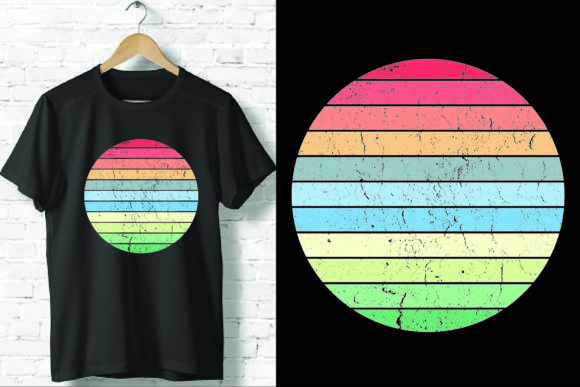
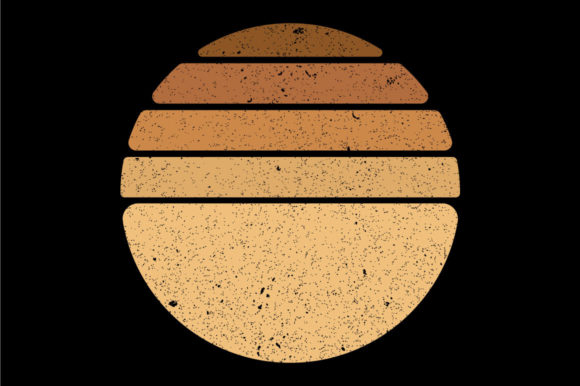
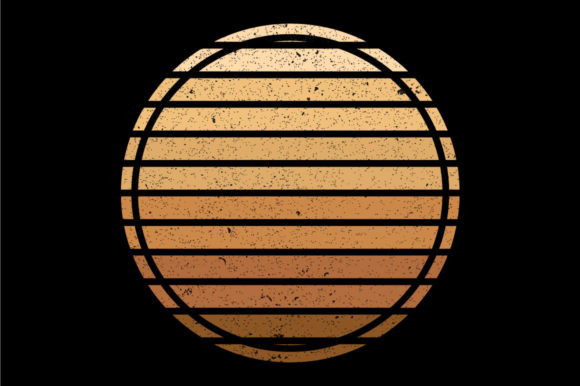
Vintage Retro Sunset 17 immediately evokes a sense of warmth and nostalgia. The soft gradients, faded colors, and subtle texture give it a vintage feel that feels right at home on retro-themed projects. The composition is balanced, with the sunset as the focal point and a few abstract elements adding depth without overwhelming the design. It’s not overly detailed, which makes it versatile but also means it needs the right fabric and stitching to shine.
This design feels like it belongs on custom apparel, especially for items that lean into a laid-back, bohemian, or vintage aesthetic. Think tote bags, sweatshirts, or even baby onesies. It has the right amount of detail to be visually interesting but not so intricate that it becomes a challenge to stitch well.
Real-World Embroidery Performance
When I tested Vintage Retro Sunset 17 on different fabrics, I noticed a few key points. On smooth, medium-weight materials like cotton or polyester blends, the design looked clean and professional. However, on textured or stretchy fabrics, the stitches didn’t always lie flat, and the overall appearance suffered. That’s something to keep in mind if you’re planning to use it on denim, knits, or anything with a lot of movement.
One of the biggest challenges with this design is its stitch density. While it’s not overly dense, certain areas—like the sky gradient—require careful handling. If you’re using a fill stitch in those regions, make sure the thread color contrasts well with the background. Otherwise, the design might look muddy or unclear.
For small hoop sizes, Vintage Retro Sunset 17 could be problematic. The design is relatively large, and if your machine can’t accommodate it in one go, you’ll need to split it up, which adds time and complexity. That’s not ideal for quick projects or high-volume production.
Where to Use It Carefully
While Vintage Retro Sunset 17 works well on many items, there are some situations where it might not be the best choice. For example, if you’re working with dark fabrics, the lighter colors in the design might not show up as vividly as they do on white or light backgrounds. Similarly, on thin or stretchy materials, the design could pucker or distort, especially if the stabilizer isn’t properly used.
Curved surfaces like caps or hoods can also be tricky. The design’s layout is more suited for flat, rectangular areas. If you’re trying to fit it onto a curved surface, you might end up with distorted shapes or uneven stitching. And if you’re planning to use it on baby clothes, check the details closely—tiny elements or sharp corners could be a hazard.
Another thing to consider is the design’s compatibility with commercial embroidery. If you’re selling finished products, make sure the licensing allows for that. Also, test the design on multiple fabric types before committing to a bulk order.
How It Impacts Visual Appeal and Customer Perception
Vintage Retro Sunset 17 has a strong visual appeal, especially when stitched correctly. It adds a unique touch to any project, making it stand out in a crowded market. For handmade products or personalized gifts, this design can make a big difference in perceived value. Customers often associate quality with attention to detail, and this design offers that in spades.
But if the stitching isn’t done well, the design can look cheap or unprofessional. That’s why it’s important to pay attention to things like thread color contrast, stabilizer use, and stitch density. A poorly executed embroidery project can hurt customer trust and lead to negative reviews, especially on platforms like Etsy or at craft fairs.
For small business owners and crafters, this design can be a valuable asset. It’s great for boutique products, holiday gifts, or even printable mockups that help customers visualize the final product. But again, it’s all about execution.
Practical Designer Notes for Using Vintage Retro Sunset 17
If you’re planning to use Vintage Retro Sunset 17 in your embroidery projects, here are a few practical tips:
- Test on scrap fabric first to see how the design looks and behaves on your chosen material.
- Check thread color contrast to ensure the design stands out clearly on both light and dark backgrounds.
- Review stitch density to avoid issues with puckering or distortion.
- Confirm hoop size requirements to avoid splitting the design into multiple parts.
- Inspect small details to make sure everything is clear and well-defined.
- Test in black and white mockups to see how the design translates without color.
- Use proper stabilizer for delicate or stretchy fabrics to prevent shifting during stitching.
- Verify licensing before selling finished products or digital files.
These steps may seem tedious, but they’re essential for ensuring that Vintage Retro Sunset 17 meets your standards and those of your customers.
Final Thoughts: A Design Worth Considering
Vintage Retro Sunset 17 is a solid choice for embroidery designers looking for a nostalgic, versatile design. It works well on a variety of items and can add a unique touch to handmade products, personalized gifts, and commercial embroidery projects. However, it’s not a one-size-fits-all solution. Its performance depends heavily on the fabric, stitching technique, and attention to detail.
If you’re an Etsy seller, a small shop owner, or a craft business owner, this design could be a valuable addition to your collection—provided you take the time to test and refine it. It’s not perfect, but with the right approach, it can become a standout piece in your portfolio.
Ultimately, Vintage Retro Sunset 17 is a reminder that good design isn’t just about aesthetics—it’s about function, feasibility, and the ability to translate well into real-world applications. And that’s what makes it worth considering for your next embroidery project.